
TRAINING & BEHAVIOR
How to Stop Your Dog From Chasing Cars, Bikes & Other Moving Objects
A guide to safety, management, and positive training for a calmer walk. Learn how to stop your dog from chasing cars, bikes, and runners safely.
- By CozyPuppies Editorial Team
- 14 Min Read
- Behavior Guide

BEHAVIOR & INSTINCTS
The Thrill of the Motion
To a canine, a moving vehicle isn't just a machine—it's a sudden catalyst for ancient programming. Chasing behavior is driven by deeply rooted evolutionary triggers: the intense rush of prey drive, the structural urge to herd, and the sheer dopaminergic excitement of high-speed pursuit. When a car flashes past, their focus locks instantly. The AKC says dogs may chase cars because of prey drive, herding instincts, excitement, or uncertainty.
The Unseen Hazards
While chase behavior satisfies a natural instinct, it places dogs in immediate, critical danger. Beyond the obvious threat of oncoming traffic, high-excitation pursuit can result in severe disorientation, physical collision with hidden obstacles, or getting hopelessly lost in the adrenaline-fueled panic of the chase. The AKC says car chasing can result in serious injuries to dogs, handlers, and others, and even on a leash a sudden lunge can cause a handler to lose balance or fall.
Quick answer: to stop your dog from chasing cars, prevent the chase from being practiced, keep your dog on a standard 6-foot leash near roads, and teach calmer habits with counterconditioning and cues such as watch me, leave it, recall, and let’s go. Keep your distance from traffic, give the chase a safe outlet, and ask a qualified trainer for help if your dog lunges at vehicles or runs into roads.
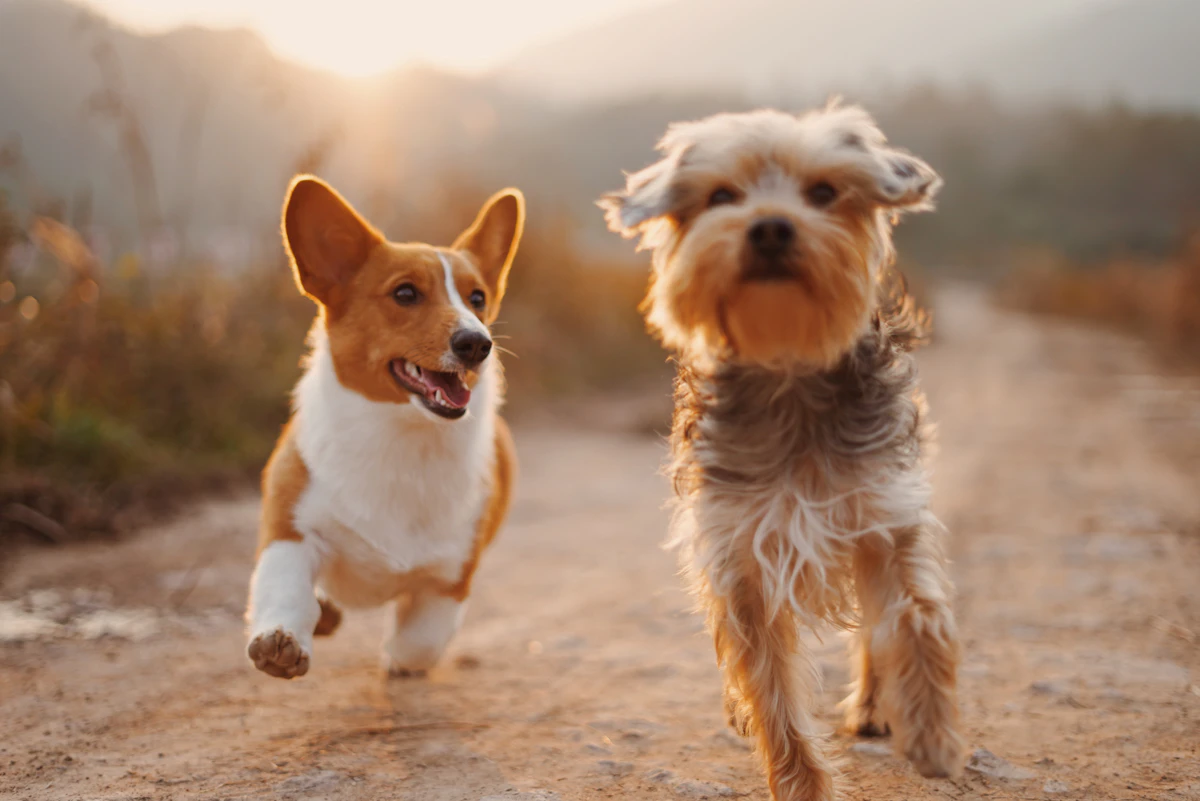
Key Takeaways
- Chasing is natural
- Safety first
- Distance is key
- Positive reinforcement
- Useful cues (Recall, Leave It)
- Prevent repetition
Canine Instincts & Behavior
The Drive & Danger of the Chase
Why Do Dogs Chase?
For dogs, chasing is not merely a playful habit; it is a fundamental predatory motor pattern inherited from their ancestral wolf lineages. When a fast-moving object—whether a squirrel, a cyclist, or a passing car—crosses their field of vision, it triggers an instant release of dopamine. This instinctual drive is deeply satisfying and self-rewarding, providing intense mental arousal that can be difficult to interrupt once initiated.
What Makes Chasing Dangerous?
When a dog enters 'chase mode,' their cognitive awareness narrows exclusively to the target of their pursuit. In this state of hyper-focus, they are effectively blind to external hazards. A dog chasing a decoy or prey will instinctively sprint onto busy roads, navigate precarious terrains, or run past territorial boundaries without any awareness of danger, completely ignoring recall signals that would normally keep them safe. In practice, dogs in a high-arousal chase often ignore normal cues, so the goal is to prevent the chase from starting.
EXPERT ADVICE
Stop Your Dog From Chasing Cars: What the Experts Say
02
Prevent Practice and Keep Your Distance
The AKC says preventing opportunities to practice chasing is an essential part of long-term success, and that keeping adequate distance from traffic helps dogs stay calm and able to learn. It recommends counterconditioning, a positive reinforcement approach that builds new associations with passing cars. See how to teach your dog to leave it.
03
Use the Right Gear Near Traffic
The AKC suggests a standard 6-foot leash whenever you are near roads or traffic, held securely or attached to a hands-free leash, and advises avoiding retractable leashes and long lines there, because they give dogs too much freedom to move into unsafe spaces. Always respect leash laws. Dogs Trust suggests a long line or harness only for recall practice in secure or quiet areas. See how to stop your dog from pulling on the leash.
Safety First
Before starting any training protocol, setting up a secure and predictable environment is crucial. Effective management ensures your dog is shielded from overwhelming triggers, preventing them from practicing stress-driven habits while they are in the process of learning calmer alternatives. The AKC says preventing opportunities to practice chasing is an essential part of long-term success, and management is the foundation when you stop your dog from chasing cars.
Find Your Dog’s Threshold
A dog's 'threshold' is the precise point where they transition from curious observation to reactive overwhelm. True, lasting training happens exclusively below this threshold. In this safe window of calm focus, your dog can safely process their surroundings, stay connected to you, and successfully adopt new behaviors. The AKC says maintaining adequate distance from traffic helps dogs stay calm and able to learn.

Car, Bike or Runner?
Read Your Dog’s Reaction
Reactivity occurs in progressive stages. By mapping your dog's psychological cues from the first visual trigger to full chase, you can safely intervene before arousal crosses the point of no return. Use these stages to stop your dog from chasing cars before the chase starts.
Stage 01
Notices
The dog spots the runner, cyclist, or car in the distance. Ears perk up slightly, and their head turns toward the movement. The body remains entirely loose and relaxed.
Owner Action
Mark and reward immediately with high-value food to build a positive baseline association before arousal begins to build. This is the first step to stop your dog from chasing cars.
Stage 02
Watches
Continuous visual tracking of the movement. The mouth may close, and the body weight shifts forward, but the muscles are not yet locked or stiff.
Owner Action
Create extra distance. Deliver a steady stream of rewards for voluntary check-ins (looking back at you). Extra distance helps stop your dog from chasing cars.
Stage 03
Fixates
The gaze becomes hard and unwavering. The dog's entire attention is locked in, effectively tuning out your voice and other environmental elements.
Owner Action
Gently interrupt their line of sight physically or use body language to lead them away. They are reaching their threshold limit. Interrupting early helps stop your dog from chasing cars.
Stage 04
Stiffens
The tail freezes in a high position, the neck arches, and muscles fully lock. Adrenaline is spiking rapidly, priming the dog to react physically.
Owner Action
Execute an immediate emergency U-turn. Do not stop to demand obedience; focus on putting physical space between you and the trigger. An early U-turn is one way to stop your dog from chasing cars.
Stage 05
Lunges
Sudden forward explosive movement. The leash pulled completely taut, accompanied by vocalizations like intense barking, snarling, or whining.
Owner Action
Keep moving away calmly. Do not yank the leash or raise your voice, as additional tension only feeds their reactive instinct. Calm movement is key to stop your dog from chasing cars.
Stage 06
Chases
Full predatory motor sequence is triggered. The dog attempts to actively pursue the fast-moving target at maximum speed with zero self-control.
Owner Action
Secure the leash firmly. Safely relocate to a low-stimulation zone and wait patiently for adrenaline levels to naturally dissipate. A quiet spot helps stop your dog from chasing cars after a close call.
ESSENTIAL OUTDOOR FOCUS
Outdoor Training Cues
Proofing your dog's focus against fast-moving triggers like distance cyclists, runners, and wildlife is key to safe, off-leash harmony. Master these four baseline cues. See how to teach your dog to come when called, how to teach your dog to leave it, and how to teach your dog to wait.

Real-World Distraction
A cyclist at a distance represents the ideal threshold level to practice 'Leave It' and 'Watch Me' before your dog reacts. The AKC recommends gradual exposure to vehicles at a comfortable distance.
01. Watch Me
Say your dog’s name followed by "Watch me," holding a high-value treat near your eyes. As soon as they make eye contact, mark with a clicker or "Yes!" and reward. This builds an automatic check-in when a distraction appears in the distance. A reliable check-in helps stop your dog from chasing cars.
02. Leave It
Place a low-value treat on the floor and cover it with your hand. Signal "Leave it." Once your puppy stops sniffing or pawing and looks away, mark and reward them with a separate, high-value treat from your pocket. Never let them eat the forbidden item.
03. Recall
Call your dog using an enthusiastic "Come!" while taking a few steps backward to encourage chase. When they reach you, grab their collar gently and feed multiple high-value rewards sequentially. Make returning to you the best experience of their day. Practice recall only in safe, secure areas, never near traffic.
04. Let's Go
An informal cue meaning "change direction with me." Perfect for moving away from oncoming cyclists. Say "Let's go" in a cheerful tone, pivot 180 degrees, and walk away. Reward generously when your dog follows you with a loose leash. This cue helps stop your dog from chasing cars and bikes.
The Mindful Walk
Moving-Object Walk Checklist
Transform reactive moments into elegant breakthroughs. Use this structured approach to maintain calm, connection, and confidence on every outdoor journey. See how often to walk your dog and how to build a daily routine your dog will love.
01 / Preparation
- Secure leash
- Manageable route
- High-value rewards
- Watch for triggers
02 / Strategy
- Maintain distance
- Reward calm
- Practice cues
- Use 'let's go'
03 / Integration
- Avoid repetition
- Increase distance if needed
- Short sessions
- End calm
Want a pocket companion for your daily routes?
See the Walk Checklist
SAFE OUTLETS
Give the Chase a Safe Outlet
01
Play Safe Chase Games
Dogs Trust suggests rolling treats along the ground for your dog to chase, throwing treats into long grass for your dog to chase and sniff out, and playing short chase and tug games with a toy. Do this in a secure area, such as your garden or a private field, far from roads. It helps your dog enjoy chasing without a real car, bike, or runner.
02
Practice Recall in Calm Places
Dogs Trust recommends practicing training such as recall in calm, quiet places away from distractions, using short sessions, and rewarding your dog for looking at you when you ask. Start indoors, then try the garden, a secure private field, or quiet outdoor areas. See how to teach your dog to come when called and how to teach your dog to wait.
03
Add Exercise and Enrichment
The AKC notes that you can channel a dog’s predatory instincts in healthy ways, and that asking for calm behaviors during exciting games such as tug helps your dog learn to think rather than react. Exercise and enrichment do not replace training or management, but they help. See how often to walk your dog, 10 easy ways to keep your dog happy and entertained at home, and how to choose the best toys for your dog.
GET HELP
When to Get Professional Help
01
Signs It Is Time
Dogs Trust lists situations where chasing is unsafe or needs help, such as when your dog runs into or across roads, or chases and injures or distresses animals. If your dog lunges toward vehicles, you cannot interrupt the chase, or the habit is getting worse despite careful management, ask a qualified positive-reinforcement trainer or behaviorist for help.
02
Respect the Law and Other People
The AKC advises always respecting leash laws, and a sudden lunge can pull a handler off balance even on a leash. Keep your dog under control around cyclists, joggers, and children, and give other people space. See how to socialize a puppy and how to stop a dog from barking.
03
Plan Walks Around Your Dog
Choose quiet routes, avoid busy times, carry high-value rewards, and cross the street or turn around early when you see a trigger. Build a calm routine so your dog expects walks to be predictable and safe. See how to build a daily routine your dog will love and dog breeds that chase birds for dogs bred to chase.
COZYPUPPIES TRAINING GUIDE
Stop Your Dog From Chasing Cars: FAQ
Quick answers about chasing cars, bikes, runners, and other moving objects.
Can you stop your dog from chasing cars?
Many dogs can learn calmer responses through consistent management, positive reinforcement training, and gradual exposure to vehicles at a comfortable distance, according to the AKC. Prevent practice, keep your distance, and ask a qualified trainer for help if your dog lunges at vehicles.
Why do dogs chase cars?
The AKC says dogs may chase cars because of prey drive, herding instincts, excitement, or uncertainty. For some dogs, fast-moving vehicles trigger the same response as running prey.
Is it safe to let a dog off leash if they chase cars?
No. The AKC says a dog that runs into the street or pulls free from a leash risks serious injury or death. Use a standard 6-foot leash near roads, and respect leash laws.
Should I use a long line or retractable leash near traffic?
The AKC advises avoiding retractable leashes and long lines near roads, because they give dogs too much freedom to move into unsafe spaces. Dogs Trust suggests long lines and harnesses for recall practice in secure or quiet areas, away from traffic.
How do I stop my dog from chasing bikes and joggers?
Create distance, reward your dog for looking at you, and practice cues such as “watch me,” “leave it,” and “let’s go.” Dogs Trust suggests practicing recall and rewarding your dog for looking at you in calm places first. See the cues in this guide.
What should I do if my dog slips away toward a car?
Avoid chasing your dog, which can turn it into a game. Call in a happy voice, move away to encourage your dog to follow if it is safe, and reward the return generously. Then work on prevention and recall in safe places.
Can I give my dog a safe outlet for chasing?
Yes. Dogs Trust suggests rolling treats along the ground for your dog to chase, throwing treats into long grass, and playing short chase and tug games with a toy in a secure area.
Will punishment stop my dog from chasing?
The AKC says punishment may not change your dog’s emotional response to moving vehicles, and recommends counterconditioning, a positive reinforcement approach that builds new associations with passing cars.
How far away should my dog be from traffic during training?
Far enough that your dog stays calm and can look at you and take treats. The AKC says maintaining adequate distance from traffic helps dogs stay calm and able to learn.
How long does it take to stop your dog from chasing cars?
It varies with your dog, the trigger, and how consistently you practice. Expect weeks to months of management and short, regular sessions, and do not rely on training alone near traffic.
Does exercise help a dog that chases moving objects?
Exercise and enrichment help use up energy and give your dog safe outlets, but they do not replace training and management. See our guide on how often to walk your dog.
When should I call a professional trainer?
Call a qualified trainer or behaviorist if your dog runs into roads, lunges at vehicles, chases and injures animals, or if the habit is getting worse despite careful management.