
Lifestyle
How to Keep Your Dog Cool in Summer: 9 Simple Tips for Hot Days
- June 24, 2024
- 13 min read
Summer brings endless outdoor adventures, but rising temperatures pose genuine risks for our canine companions. Discover editorial-approved advice on how to keep your dog cool in summer, smart cooling techniques, and warm-weather essentials for a safe and joyful season.
Quick answer: to keep your dog cool in summer, provide shade and fresh water, walk during the coolest hours, never leave your dog in a car, and watch for early signs of overheating such as heavy panting and drooling.
Explore the Guide
CozyPuppies Summer Wellness Guide
Why Dogs Get Hot So Easily and How to Keep Your Dog Cool in Summer
Unlike humans who release heat through skin-wide sweat glands, dogs rely almost exclusively on panting and small sweat pads on their paws to regulate body temperature. Panting circulates cooling air through their warm bodies, but in high humidity or stagnant heat, this process becomes significantly less efficient, making them highly susceptible to heat exhaustion. Cornell veterinarians note that dogs only have sweat glands on their paws, so panting is their primary way to cool down. Knowing this is the first step to keep your dog cool in summer.

Always Provide Plenty of Fresh Water
A dehydrated dog cannot pant effectively. Ensuring constant access to cool, fresh water is the single most important action you can take to preserve their comfort and safety through the peak summer heat.
- Place multiple water bowls indoors and in shaded outdoor spots
- Add ice cubes to keep the water temperature refreshing
- Clean water bowls daily to prevent harmful bacteria buildup
- Carry portable pet water bottles on every summer stroll
Keeping Your Companion Safe Under the Sun
Premium, mindful advice for navigating the warmest months. Ensure your pet's summer experience is filled with cool breezes, refreshing hydration, and thoughtful routines.

Give Your Dog a Cool, Shaded Place to Rest
Creating a sanctuary from the heat starts with choosing the right resting spots. Ensure your outdoor patios have natural canopy shade or high-quality UV sails, and maintain optimal indoor ventilation with cross-breezes or soft fans to keep air moving.
A subtle summer layout tip: Consider replacing thick rugs with elevated, breathable cooling dog beds that allow continuous air circulation beneath their paws and body. Browse our dog beds for elevated options.
Walk Your Dog at the Right Time of Day
Mid-day asphalt can easily burn delicate paws. Adjust your walking times to the early morning or late evening when the ground temperature has dropped. Seek out grassy, shaded paths and maintain a slow, leisurely pace. According to Cornell veterinarians, blacktop retains a lot of heat and can be much hotter than the air temperature. For routines, see how often to walk your dog.
- Test pavement with the back of your hand for about 10 seconds
- Walk during cool morning hours or serene twilight
- Always carry fresh, cool drinking water on outings
SUMMER WELLNESS GUIDE
Heatwave Comfort for Your Companion
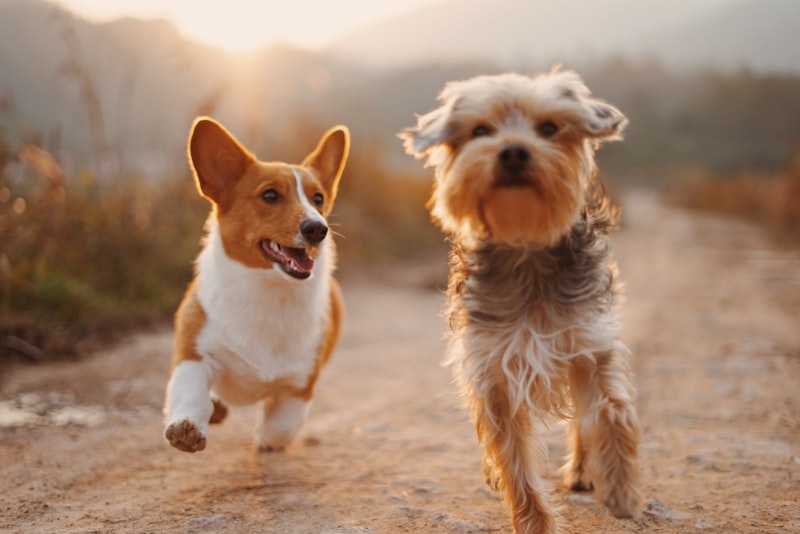
Keep Your Dog Comfortable at Home
Strategic ambient adjustments go a long way in preventing heat exhaustion. Simple, thoughtful changes to indoor airflow and window treatments can transform your living space into a cool, refreshing summer sanctuary. These small habits help you keep your dog cool in summer without relying on air conditioning alone. On the hottest days, our guide to 10 easy ways to keep your dog happy and entertained at home has indoor ideas.
- Lower window blinds to block out radiant midday sun
- Position floor fans to create a continuous cross-breeze
- Ensure unobstructed access to cool tiled or wood floors
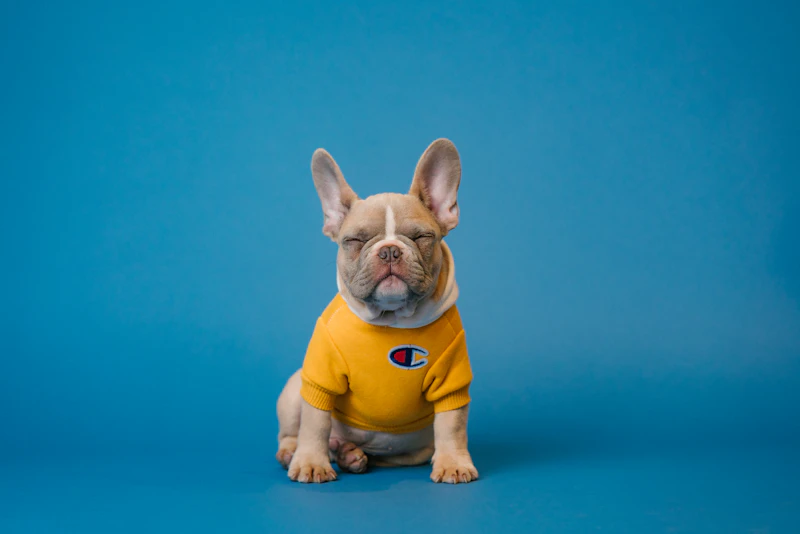
Try Safe Ways to Help Your Dog Cool Down
When external temperatures peak, targeted soothing methods help reduce your dog's core temperature safely and gradually. Focus on gentle techniques that respect their natural thermoregulation.
- Lay down pressure-activated cooling gel mats
- Drape cool, damp towels over their paws and chest
- Provide fresh water stations with refreshing ice cubes
Recognize the Warning Signs of Overheating
Summer days bring beautiful sunlit moments, but rising temperatures require gentle vigilance. Spotting these physical warning signs early ensures your dog remains safe and comfortable. The Animal Medical Center of New York lists heavy panting, excessive drooling, bright red gums, hot skin, and incoordination as signs of heatstroke. For more everyday cues, read how to tell if your dog is comfortable.
Key Indicators to Watch For
- Excessive Panting: Rapid, unceasing breaths even after resting in shade.
- Heavy Drooling: Unusually thick, heavy saliva or bright red gums.
- Lethargy & Weakness: Sudden reluctance to move, play, or stand up.
Know Which Dogs May Need Extra Care
- Puppies & Seniors: Developing and aging bodies have harder times regulating thermal changes.
- Brachycephalic Breeds: Flat-faced companions (like Pugs and Bulldogs) struggle with restricted airways.
- Thick-Coated Breeds: Dogs with heavy double coats trap warmth and need shaded environments early.

Keep fresh, cool water nearby and look for grass shaded under canopies when stepping outdoors.
FIRST AID
What to Do If Your Dog Is Overheating
Quick action matters. Knowing what to do is part of how you keep your dog cool in summer and safe, because heatstroke is a life-threatening medical emergency. These steps follow guidance from the Cornell University College of Veterinary Medicine, and you should call your vet right away if you are unsure.
- Move to a cooler place – Bring your dog into cool air conditioning, or at least into deep shade, and offer water right away.
- Cool with water – Wet your dog with cool water and place them in front of a fan to help bring their temperature down.
- Watch closely – Heavy panting, drooling, bright red gums, hot skin, weakness, or poor coordination are warning signs of heatstroke.
- Go to the vet right away – If panting and drooling continue, or you see trouble breathing, vomiting, weakness, confusion, seizures, or collapse, go to a veterinary hospital immediately.
- Call ahead – Phone your clinic or emergency hospital while you travel so the team can prepare for your arrival.
SUMMER SAFETY ADVISORY
Never Leave Your Dog in a Hot Car
Even on a mild day, temperatures inside a parked vehicle rise rapidly to lethal levels. Within minutes, your dog can suffer life-threatening heatstroke or irreversible organ damage. Safe, cool indoor environments are always the best choice for summer. Cornell veterinarians report that dogs most commonly get heatstroke when left alone in a hot car, left outside without shade in hot and humid weather, or exercised in hot and humid conditions.
- On an 85°F day, interior heat can reach 102°F in only 10 minutes.
- Cracking the windows has no meaningful effect on lowering cabin heat.
- Dogs cannot sweat like humans—they can quickly overheat and succumb.
SUMMER GROOMING
Paw, Coat, and Skin Care in Hot Weather
Heat affects more than body temperature. Hot pavement can burn paws, and the wrong haircut can make it harder for your dog to stay comfortable. Use these tips to protect paws, coat, and skin all season, and to keep your dog cool in summer.
Summer Grooming Essentials
- Check the Ground – Hot pavement can burn paw pads. Cornell veterinarians suggest that if you cannot hold your own hand on the pavement for about 10 seconds, it is likely too hot for your dog.
- Use Booties or Paw Wax – If midday walks are unavoidable, booties or paw wax can add protection, according to the Animal Medical Center of New York.
- Trim, Do Not Shave – A trim is fine, but keep your dog’s coat at least an inch long. Shaving can interfere with the coat’s built-in temperature regulation.
- Brush Regularly – Removing loose, dead undercoat helps air move through the coat. Regular brushing is a simple way to help your dog stay comfortable.
- Limit Sun Exposure – Choose shade for outdoor rest, especially for light-colored or thin-coated dogs, and ask your vet before using any sunscreen made for pets.
- Rinse After Water Play – Rinse off chlorine, salt, or pond water after swimming, and dry your dog’s ears and skin folds to help prevent irritation.
COOL SNACKS
Cooling Treats and Hydration Ideas to Keep Your Dog Cool in Summer
Frozen treats and flavorful water can make hydration more appealing on hot days. Keep ingredients simple, check labels for anything unsafe for dogs, and ask your veterinarian if your dog has dietary needs. Treats should never replace fresh water, shade, or rest.
Dog-Safe Summer Snacks
- Ice Licks – Freeze plain water or low-sodium, onion-free broth in a silicone mold or shallow dish, and let your dog lick it slowly in a shaded spot.
- Frozen Stuffed Toys – Fill a sturdy chew toy with a little of your dog’s regular food, freeze it, and offer it outdoors in the shade. Count it as part of the daily meal.
- Ice Cubes in the Bowl – Add a few ice cubes to the water bowl to keep it cool, and refresh the bowl often so the water stays clean and appealing.
- Dog-Safe Fruit – Offer small pieces of seedless watermelon with the rind removed as an occasional treat, and check with your vet first if your dog has health conditions.
- Flavored Water – A splash of low-sodium, onion-free broth can tempt a dog who is reluctant to drink. Always keep a bowl of plain water available too.
- Skip Risky Ingredients – Avoid xylitol, grapes, raisins, onions, garlic, and chocolate, and read ingredient labels carefully before sharing frozen desserts.
Summer Essentials
The Summer Dog Cooling Checklist
When the summer sun intensifies, keeping our dogs cool isn't just about comfort—it's essential for their well-being. Our curated editorial checklist helps you keep your dog cool in summer by proactively preparing your home, routines, and outdoor spaces for a safe, refreshing season.
Download Guide PDFDaily Care Checklist
- Fresh water stations replenished with ice-cold water hourly
- Continuous deep shade in designated outdoor lounge spots
- Cool indoor environments with active AC or elevated cooling mats
- Exercise restricted to cooler sunrise or twilight hours
- Paws protected from scorching concrete and asphalt burns
- Frozen enrichment treats (kongs, ice licks) to lower core temp
CozyPuppies Summer Lifestyle Guide
Create a Cool Spot to Keep Your Dog Cool in Summer
As temperatures rise, your companion depends on you to design a peaceful sanctuary. Follow these thoughtful steps to ensure they remain safe, cool, and beautifully relaxed all summer long. Not sure which bed to choose? Read how to choose the perfect dog bed.
- Choose a naturally cooler location (tiled zones or shaded corners)
- Add a comfortable, highly breathable dog bed
- Provide constant access to crisp, fresh water
- Promote gentle airflow using quiet fans or open breezes
- Reduce intense sunlight with light-filtering drapes
- Keep the atmosphere peaceful and stress-free

SUMMER FUN
Safe Summer Activities and Water Play
Summer does not have to mean staying indoors. With a few precautions you can enjoy water play, short outings, and indoor games, and still keep your dog cool in summer. Cornell veterinarians recommend avoiding strenuous exercise during the hottest parts of the day, on very humid days, and early in the season before dogs have adjusted to the heat.
Cool Ways to Play
- Sprinklers and Pools – Swimming pools and sprinklers can be effective ways to cool dogs down, according to Cornell. Supervise closely and make sure your dog can get out easily.
- Early Morning Adventures – Plan walks and play at sunrise or after dusk to keep your dog cool in summer while still enjoying the outdoors together.
- Indoor Games – Try scent games, puzzle feeders, and short training sessions in a cool room when it is too hot to go outside.
- Shaded Trails – Choose shaded paths near water, carry plenty of water, and take frequent rests. Turn back at the first sign of heavy panting.
- Water Safety – Not every dog swims well. Use a canine life jacket near deep water, and never leave your dog unattended around pools or lakes.
- Short Sessions – Keep play sessions brief, with rest in the shade between games. Stop right away if your dog slows down or seems unusually tired.
Frequently Asked Questions About Keeping Dogs Cool
Quick answers to common questions about hot-weather safety, from warning signs to what to do in an emergency.
How hot is too hot for a dog?
There is no single number, because humidity, shade, age, coat, and breed all matter. Dogs cool mainly by panting, which works poorly in hot, humid air. On very hot or humid days, the safest place for most dogs is indoors with air conditioning or fans. These habits help you keep your dog cool in summer.
What are the signs of overheating in dogs?
Early signs include heavy panting, seeking shade, whining, reluctance to play, and drooling. More serious signs include bright red gums, hot skin, weakness, confusion, vomiting, or collapse. Treat these as an emergency and contact a vet immediately.
What should I do if my dog is overheating?
Bring your dog into cool air conditioning with access to water, wet them with cool water, and place them in front of a fan. If heavy panting and drooling continue, or you see difficulty breathing, vomiting, weakness, confusion, seizures, or collapse, go to a veterinary hospital immediately.
Is it safe to leave my dog in the car for a few minutes?
No. Temperatures inside a parked car rise quickly even on mild days, and leaving a dog in a hot car is one of the most common causes of heatstroke, according to Cornell veterinarians. Leave your dog at home in a cool space instead.
Should I shave my dog in summer?
A trim is fine, but veterinary sources advise keeping the coat at least an inch long, because shaving can interfere with your dog’s built-in temperature regulation. Ask your groomer or vet what is right for your dog’s coat.
How can I tell if the pavement is too hot for my dog’s paws?
Press the back of your hand on the ground. Cornell veterinarians say that if you cannot hold your hand or bare foot on the pavement for about 10 seconds, it is likely too hot for your dog. Walk on grass, stay in the shade, and choose cooler hours to keep your dog cool in summer and protect their paws.
Which dogs are most at risk in hot weather?
Puppies, senior dogs, thick-coated dogs, and flat-faced breeds such as Pugs and Bulldogs often struggle most, because they cannot pant as efficiently. Take extra care with these dogs and keep them in cool, shaded places.
Do cooling mats and fans really help?
They can help as part of a plan: fans keep air moving, and cooling mats give your dog a cooler place to lie down. They do not replace shade, fresh water, and air conditioning on very hot days, and a dog showing signs of heatstroke needs a vet.
Can my dog swim to cool off?
Swimming pools and sprinklers can be effective ways to cool dogs down, as Cornell veterinarians note. Always supervise your dog around water, make sure they can get out easily, and rinse off chlorine or salt afterward.
How can I cool my dog down without air conditioning?
To keep your dog cool in summer without air conditioning, use shade, cross-breezes, fans, cool tile or wood floors, fresh water, and cooling mats, and move exercise to early morning or late evening. On extremely hot days, consider a cool indoor place such as a friend’s home.